
Personality disorders is something that slowly shapes how a person feels, thinks, reacts and connects with people in daily life. personality disorder is not just “having a rough phase” or “being moody sometimes”. It is a deeper long term pattern that becomes part of how someone naturally responds to situations without even realizing it.
Life feels emotionally heavier than it should feel. Reactions come faster. feelings stay longer. and relationships often feel confusing or unstable.
So what is really going on in personality disorder
When someone has a personality disorders, it often feels like the emotional system is always switched a bit too high or sometimes completely shut down.
in real life terms, it can feel like:
- small things suddenly feel very big
- emotions change quickly without warning
- trust becomes difficult even with close people
- overthinking takes over simple situations
- relationships feel intense or unpredictable
- calm moments do not last long
This is why personality disorders often creates emotional discomfort that keeps repeating in cycles instead of going away easily.
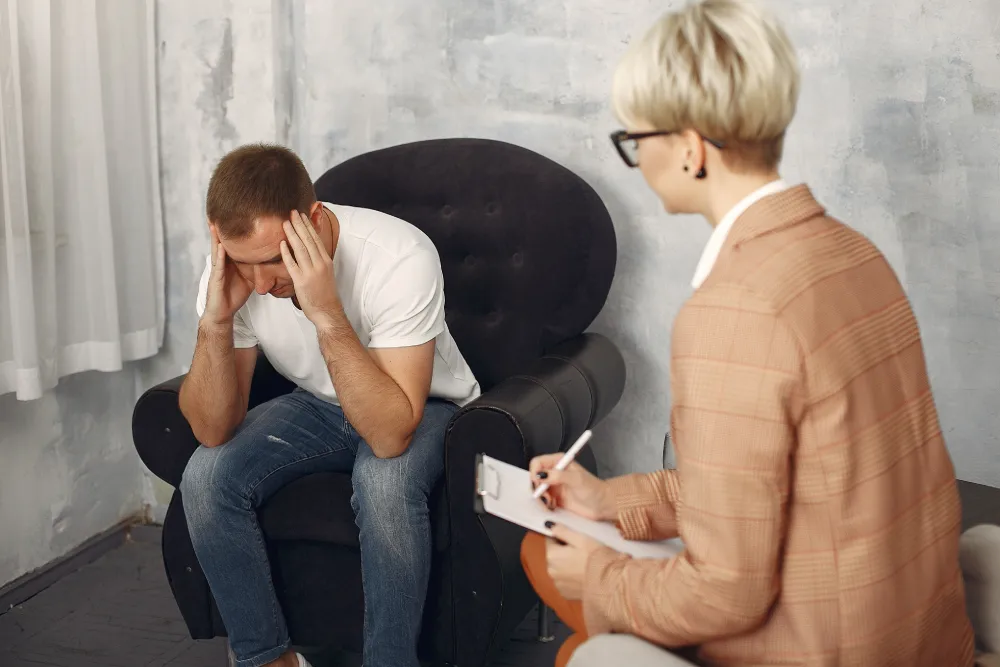
How personality disorder slowly develops
A personality disorder does not appear overnight. It usually builds slowly over time like layers added one by one.
in many real cases, it starts from:
- growing up without emotional safety or support
- childhood stress that was never fully processed
- repeated emotional hurt or instability
- long term feeling of being misunderstood
- family environment where emotions were ignored or extreme
- brain based differences in emotional regulation
And research using brain imaging and brain scans suggests that people with personality disorders may process emotions in a different way than others. This is why studies around brain scan for mental health awareness are helping understand behavior more deeply instead of only looking at surface actions.
Different ways personality disorder shows up
A personality disorder does not look the same in everyone. It shows up in different patterns, but the emotional struggle underneath is usually similar.
Here is how it often looks in everyday life:
- borderline type: emotions feel too strong, relationships feel very intense and unstable
- antisocial type: acting first without thinking much about consequences or rules
- narcissistic type: needing validation and feeling hurt easily by criticism
- avoidant type: staying away from people because rejection feels scary
- obsessive compulsive type: needing control, order, and perfection to feel safe
Each personality disorder type has its own behavior pattern, but all of them affect emotional balance and relationships in a big way.
What people usually start noticing first
A personality disorder often becomes visible through repeated life patterns instead of one single event.
people usually start noticing things like:
- emotions shifting too fast
- reacting strongly and regretting later
- fear of being left or ignored
- difficulty trusting others fully
- relationships going through repeated ups and downs
- feeling empty or emotionally tired inside
- impulsive actions during stress
And slowly, personality disorder starts affecting daily routine, work life, and personal relationships if not understood early.
How diagnosis actually happens in real life
A personality disorder is not diagnosed by one test or one visit. it is understood over time.
mental health support usually:
- listen to emotional history from childhood to present
- observe long term behavior patterns
- understand how relationships have been experienced
- track emotional reactions in different situations
- use structured psychological assessments when needed
This process helps form a clear understanding of the personality disorders, so the right treatment plan and psychiatric care approach can be created.
What is a treatment?
A personality disorder does not have a quick fix, but it absolutely can improve with the right support and consistency.
treatment usually feels like learning slowly, not fixing suddenly.
it includes:
- talking therapy where emotions are expressed and understood
- behavioral therapy to change reaction patterns step by step
- medication management when anxiety or mood symptoms are strong
- group therapy where shared experiences bring support
- structured behavioral health care over time
- advanced support like TMS Therapy in some complex cases
With proper individualized care, a personality disorder becomes something that can be managed instead of controlled by.
What recovery actually feels like
recovery from a personality disorder is not a straight line. It is a slow improvement over time.
it usually starts feeling like:
- pausing before reacting emotionally
- understanding what triggers certain feelings
- slowly improving communication with others
- building small daily routines that bring stability
- reducing emotional intensity little by little
- learning to handle stress without losing control
This is where emotional wellbeing starts improving step by step, not overnight.
and with a strong recovery plan, a personality disorder becomes more manageable in daily life.
Why modern support actually helps more now
Today, mental health treatment is more accessible and more structured than before. People with personality disorder are no longer left without options.
support now includes:
- online therapy through telehealth services
- personalized treatment plans based on individual needs
- better access to psychiatric care specialists
- improved understanding through behavioral health systems
- ongoing emotional tracking instead of one time diagnosis
This makes managing personality disorder more realistic and supportive in everyday life.
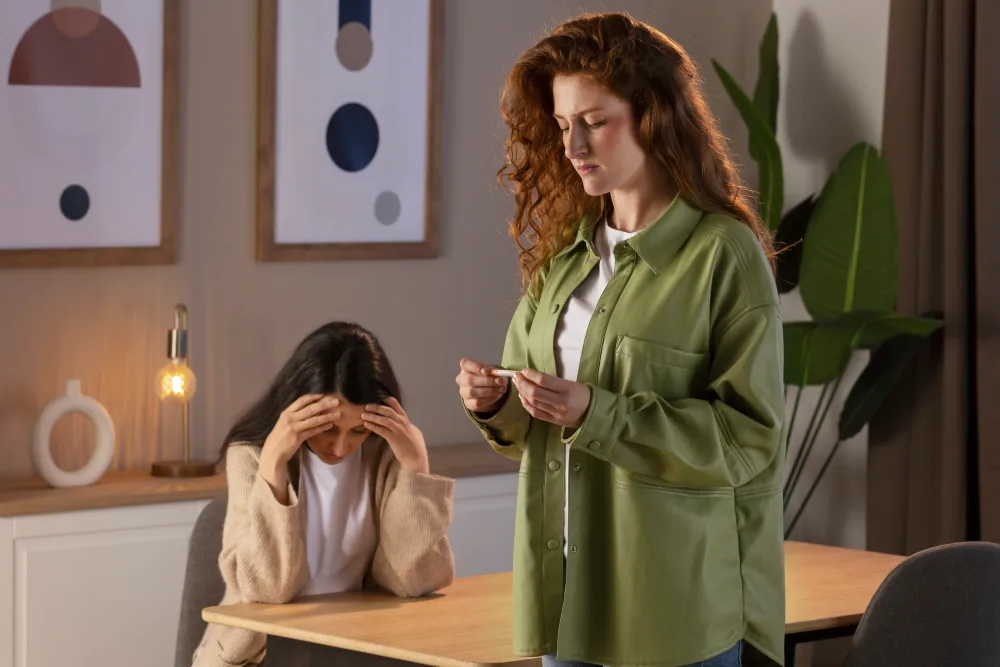
Living with personality disorder in real life
Living with a personality disorder is not about being “broken” or “different in a bad way”. it is about learning emotional balance step by step.
over time, with support, life often starts feeling like:
- emotions are still strong but more manageable
- reactions become slower and more thoughtful
- relationships feel less chaotic
- self understanding becomes clearer
- stress does not take full control anymore
- daily life starts feeling more stable
and that is the real goal of working with a personality disorder through consistent care.
Conclusion:
A personality disorder is basically a long term emotional pattern that can make life feel unstable inside. but it is also something that can improve with the right support, understanding, and treatment.
with proper psychiatric care, structured treatment options, and focus on emotional wellbeing, a personality disorder does not define a person’s future. It just explains what kind of support is needed to move forward in a healthier way.
Frequently Asked Questions
What is personality disorder?
Personality disorder is a long term emotional and behavioral pattern where feelings, reactions and thinking styles make daily life and relationships harder to manage in a stable way.
Does personality disorder happen suddenly?
No personality disorder develops slowly over time through life experiences, emotional environment and long term behavioral patterns.
Can personality disorder improve with treatment?
Yes, personality disorder can improve a lot with therapy support medication if needed and consistent long term mental health care.
Why do emotions feel so intense in personality disorder?
Because emotional regulation works differently so feelings can become very strong very quickly and stay longer than usual.
Is personality disorder the same for everyone?
No personality disorder has different types and patterns so it looks different in each person but emotional struggle is usually similar.
What is the most important treatment for personality disorder?
Therapy and structured behavioral support are the most important parts of personality disorder treatment.
Can personality disorder affect daily life?
Yes, personality disorder can affect relationships, work emotional balance and decision making if not managed properly.
Is medication always required?
No medication is not always required; it depends on symptoms like anxiety, mood instability or emotional distress.
How long does personality disorder treatment take?
It usually takes time because personality disorder is long term and improvement happens gradually with consistent care.
Can someone live a normal life with personality disorder?
Yes, many people with personality disorder live stable productive and meaningful lives with proper support and treatment.
