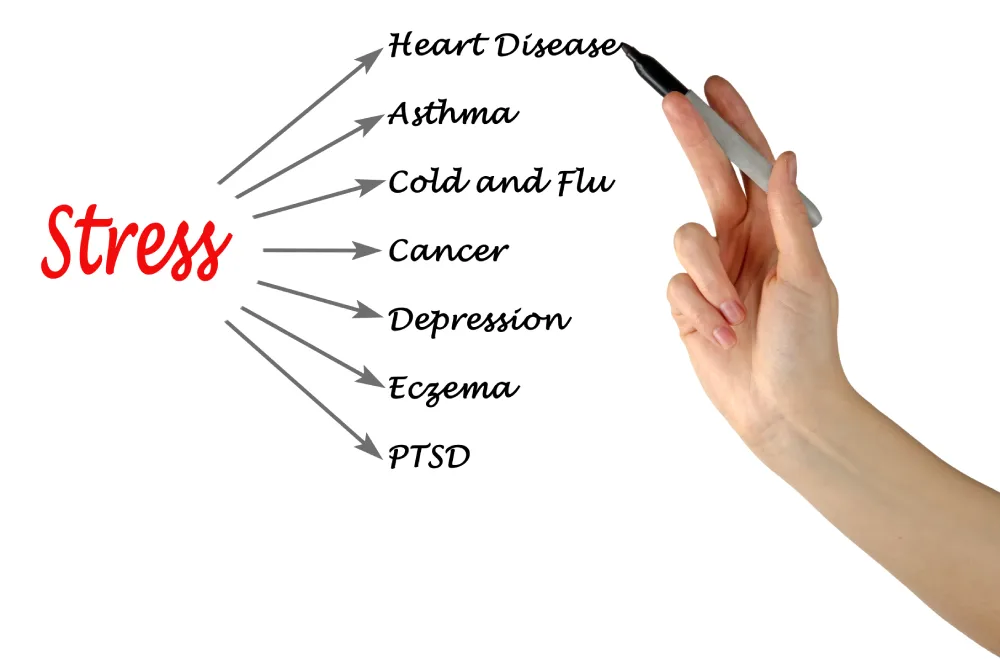
Let’s talk about something real and often misunderstood — signs of panic attack.
Because here’s the truth… it doesn’t always start like a big dramatic moment. It usually starts small. Almost silent.
One moment everything feels fine… and then suddenly the body starts reacting.
Heart starts beating faster. Breathing feels a bit off. Chest feels tight. And before even understanding what’s happening, fear shows up and takes control.
That is exactly why recognizing the signs of panic attack early is so important. Because once you catch it early, you can slow it down before it takes over completely.
And most people don’t recognize it at first. They think it’s stress. Or tiredness. Or just “overthinking.”
But a panic attack doesn’t wait for permission. It just shows up.
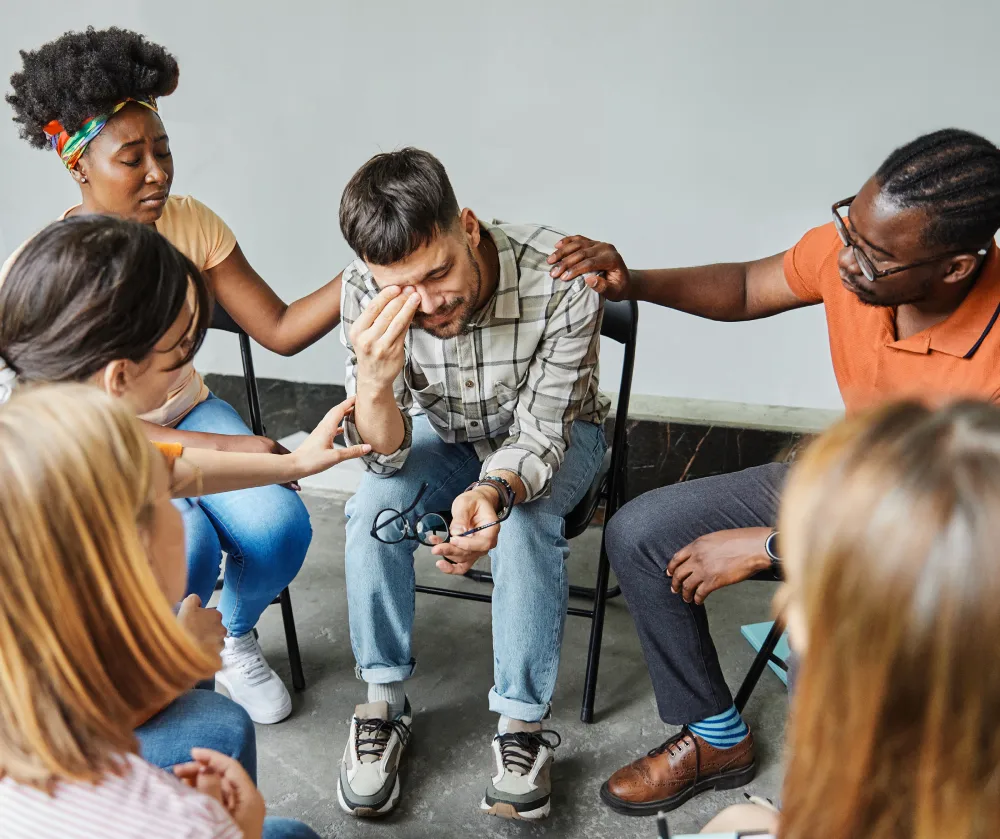
What a Panic Attack Actually Feels Like
Let’s keep this simple.
A panic attack feels like the body is shouting “danger” when there is no danger at all.
So everything speeds up.
- Heart starts racing like something is wrong
- Breathing feels short or stuck
- Chest feels tight or heavy
- Hands start shaking
- Head feels light or weird
- Fear suddenly becomes very strong
These panic attack symptoms feel so real that many people genuinely think they are having a heart attack.
That’s how intense it can feel.
Early Signs of Panic Attack (This Is Where It Starts)
Now this part is important. Because this is where you can actually catch it early.
Heart suddenly starts going fast
One of the first signs of panic attack is a rapid heartbeat.
No running. No activity. But still… the heart starts pounding hard.
And the mind immediately jumps in:
“What is happening to me?”
Sometimes people even think it’s a rapid heartbeat disease or something serious.
That thought alone makes it worse.
Breathing starts feeling off
Then comes shortness of breath.
It doesn’t mean you are not breathing. It feels like:
“I can’t get a full breath in.”
And the more you try to force it, the more uncomfortable it feels.
Chest tightness shows up
Another very common signs of panic attack is chest tightness.
It can feel like pressure sitting on the chest.
Sometimes even left chest tightness and pain shows up, which makes people panic even more because it feels serious.
Fear suddenly takes over
This is where it really changes.
A strong fear of losing control shows up.
And the thoughts start going:
- Something is wrong
- I am not safe
- I can’t handle this
Even though nothing dangerous is actually happening.
Anxiety Attack vs Panic Attack (Simple way to understand)
People often confuse panic attack vs anxiety attack, so let’s break it down in a real way.
Anxiety feels like:
- Worry building slowly
- Thinking too much
- Stress sitting in the background
Panic feels like:
- Sudden wave of fear
- Body going into alarm mode
- Everything happening at once
So when you compare Anxiety Attack vs Panic Attack, panic is fast, sharp, and physical.
Anxiety is slower and more mental.
What Causes Panic Attacks?
Now the big question people always ask: what causes panic attacks?
Honestly, it’s not just one thing.
It can come from:
- Long-term stress
- Emotional pressure
- Trauma from past experiences
- Too much caffeine
- Lack of sleep
- Overthinking patterns
- Anxiety conditions
Sometimes even Social anxiety disorder can trigger it in crowded or social situations.
And sometimes… it comes without any clear reason at all.
That’s what makes it confusing.
Panic Attacks at Night (Nocturnal Panic Attacks)
Yes, it can even happen while sleeping.
These are called nocturnal panic attacks.
Imagine this…
You are asleep… and suddenly you wake up feeling:
- Heart pounding
- Fear instantly present
- Breathing feels off
- Chest tightness
And the worst part?
There is no dream. No warning. Nothing.
Just sudden fear in the middle of the night.
Physical Signs of Panic Attack You Should Notice
Let’s clearly list the body signs, because these are the most noticeable signs of panic attack:
- Rapid heartbeat
- Shortness of breath
- Chest tightness
- Sweating
- Shaking
- Dizziness
- Weak legs or body
- Tingling in hands or face
- Nausea feeling
This is the body basically hitting a false alarm button.
Emotional Signs of Panic Attack
Now the emotional side.
This is what people often don’t talk about.
- Fear of dying
- Fear of losing control
- Feeling disconnected
- Feeling trapped inside your own body
- Feeling like something bad is coming
And even after it settles… the mind stays shaken for a while.
How Long Do Panic Attacks Last?
A common question: how long do panic attacks last
Here’s the simple answer.
- Peaks in about 5 to 10 minutes
- Starts calming in 20 to 30 minutes
But the emotional after-feeling… that can stay longer.
Like tiredness. Fear. Or feeling “off” for a while.
Panic Attack Treatment (What actually helps)
Now let’s talk about control and recovery.
Talking to a therapist helps
A therapist for panic attacks helps understand what is triggering these episodes and how to respond differently.
Medication (in some cases)
Sometimes doctors suggest panic attack medication, especially if attacks are frequent or severe.
Daily habits make a big difference
Simple things really help:
- Better sleep
- Less caffeine
- Light exercise
- Deep breathing
- Reducing stress load
Small changes calm the nervous system over time.
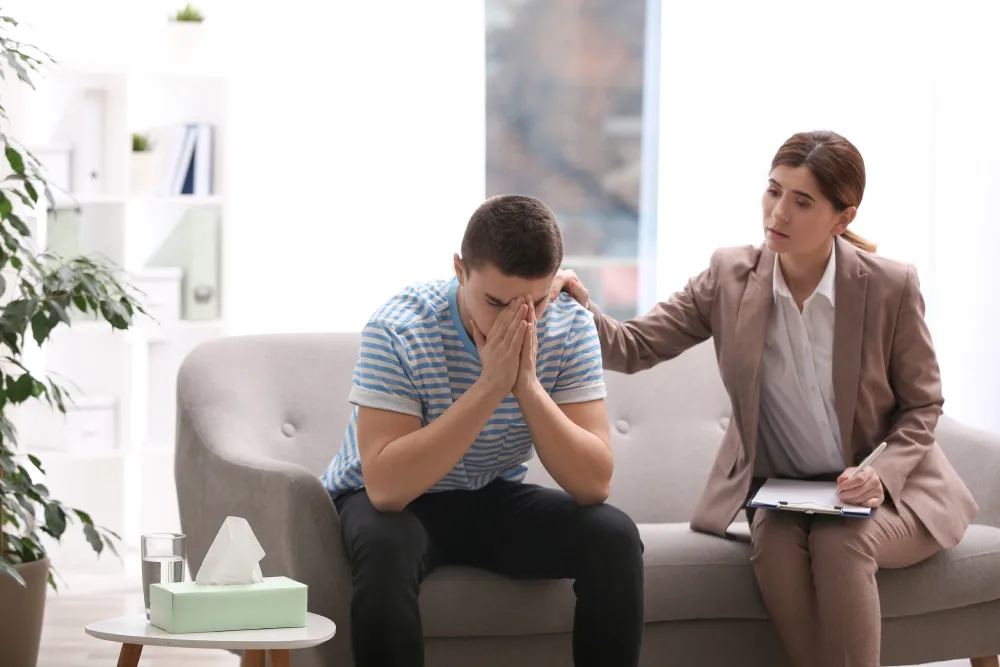
How to Help Someone Having a Panic Attack
If someone is going through it, this is what actually helps.
Do this:
- Stay calm yourself first
- Speak slowly and gently
- Say things like “you are safe”
- Stay with them
- Help them breathe slowly
Don’t do this:
- Don’t shout “relax”
- Don’t panic in front of them
- Don’t dismiss it like it’s nothing
Calm energy is everything in that moment.
Sleep and Panic Attacks
Many people also face sleep disturbances.
It can look like:
- Trouble falling asleep
- Waking up suddenly
- Fear before sleeping
- Restless nights
And poor sleep can actually make panic worse the next day.
When to Take It Seriously
The signs of panic attack should be taken seriously when:
- It keeps happening again and again
- It affects sleep
- It starts affecting daily life
- It creates fear of normal situations
- It becomes hard to function normally
At that point, support is important.
Not later. Not “someday.” Now.
Conclusion:
Here’s the simple truth.
The signs of panic attack feel scary… but they are not dangerous in the way they feel.
It’s the body reacting too strongly, not the body breaking.
Once you recognize early signs like rapid heartbeat, shortness of breath, and chest tightness, you start gaining control back.
And that changes everything.
Because panic doesn’t get stronger when you understand it.
It gets weaker.
Frequently Asked Questions
What are the first signs of panic attack?
The first signs of panic attack usually include fast heartbeat, chest tightness, short breathing, dizziness, and sudden fear that appears without warning.
Can panic attacks start suddenly?
Yes, they often start suddenly even when everything feels normal.
What is the difference between anxiety and panic attack?
Anxiety builds slowly over time, while panic attacks hit suddenly and feel physically intense.
Can panic attacks feel like heart problems?
Yes, because symptoms like chest tightness and rapid heartbeat feel very similar, but they are not the same.
How long do panic attacks last?
Most panic attacks peak within 10 minutes and calm down within 20 to 30 minutes.
What causes panic attacks?
Stress, trauma, overthinking, lack of sleep, caffeine, and anxiety disorders are common causes.
Can panic attacks happen during sleep?
Yes, nocturnal panic attacks can wake someone suddenly with fear and physical symptoms.
What helps during a panic attack?
Slow breathing, staying calm, grounding techniques, and reassurance help reduce symptoms.
Do panic attacks need treatment?
If they happen often, yes — therapy or lifestyle changes can help a lot.
How to help someone having a panic attack?
Stay calm, speak softly, reassure them they are safe, and stay with them until it passes.
