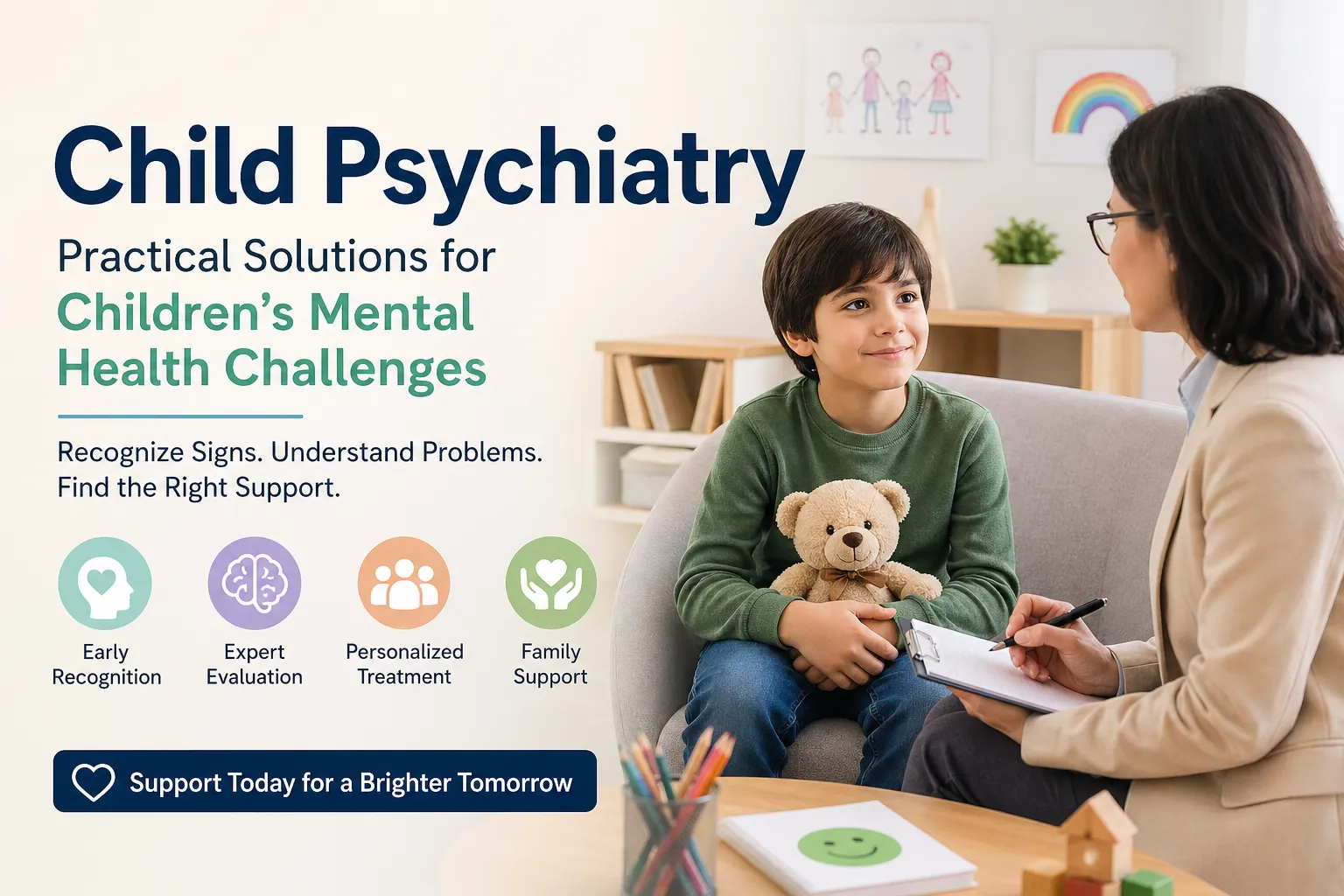
Child psychiatry is a specialized branch of medicine focused on diagnosing, treating, and preventing mental, emotional, and behavioral disorders in children and adolescents. As modern life becomes more complex, many children face stressors that can affect their mental well-being. Parents and caregivers often feel overwhelmed when they notice changes in behavior, mood, or development. This guide aims to solve common concerns by explaining how child psychiatry works, when to seek help, and what solutions are available.
Why Child Psychiatry Matters More Than Ever
Children are not just “small adults.” Their brains are still developing, and their emotional responses can differ significantly from adults. Early intervention through child psychiatry can prevent long-term issues such as academic struggles, social isolation, or chronic mental health conditions.
Common challenges addressed by child psychiatrists include anxiety disorders, attention-deficit/hyperactivity disorder (ADHD), depression, autism spectrum disorders, and behavioral issues. Recognizing these conditions early allows for effective treatment plans that improve a child’s quality of life.
Common Signs That Indicate a Problem
Parents often struggle to differentiate between normal behavior and signs of a deeper issue. Here are some problem indicators that may require professional attention:
- Persistent sadness or irritability
- Difficulty concentrating or sudden decline in school performance
- Extreme fears or worries
- Changes in sleep or eating habits
- Withdrawal from friends or family
- Frequent temper outbursts or aggression
If these signs last for weeks or worsen over time, consulting a child psychiatrist can help identify the root cause and provide solutions.
What Causes Mental Health Issues in Children?
Understanding the cause is key to solving the problem. Child mental health issues often arise from a combination of factors:
- Biological factors such as genetics or brain chemistry
- Environmental influences like family conflict or trauma
- Social pressures including bullying or academic stress
- Developmental challenges that affect emotional regulation
A psychiatrist evaluates all these aspects to create a personalized treatment plan.
How Child Psychiatry Solves These Problems
One of the biggest concerns for parents is how these issues can be effectively treated. Child psychiatry offers a range of solutions tailored to each child’s needs.
Therapy-Based Solutions
Psychotherapy is often the first step. Cognitive Behavioral Therapy (CBT), play therapy, and family therapy help children express emotions and develop coping strategies. These approaches are especially effective for anxiety, depression, and trauma-related conditions.
Medication When Necessary
In some cases, medication may be prescribed to manage symptoms such as severe ADHD or mood disorders. Child psychiatrists carefully monitor dosage and progress to ensure safety and effectiveness.
Family Involvement
Parents play a crucial role in treatment. Child psychiatrists often guide families on communication strategies, discipline techniques, and ways to create a supportive home environment.
School Collaboration
Many mental health challenges impact academic performance. Psychiatrists may work with teachers or school counselors to implement supportive strategies in the classroom.
Practical Tips for Parents
While professional help is essential, there are steps parents can take immediately to support their child:
- Listen actively without judgment
- Maintain a consistent daily routine
- Encourage open communication
- Limit screen time and promote physical activity
- Build a safe and supportive home environment
These small changes can make a significant difference when combined with professional care.
When Should You Seek Help?
A common problem parents face is deciding when to seek professional help. If your child’s behavior interferes with daily life, relationships, or school performance, it is time to consult a specialist. Early intervention often leads to faster and more effective recovery.
You can also explore more guidance through Child mental health resources or learn about expert care via Child psychiatry services to better understand available support options.
Benefits of Early Intervention
Addressing mental health issues early can prevent long-term complications. Children who receive timely support are more likely to:
- Develop healthy coping mechanisms
- Improve academic performance
- Build stronger relationships
- Gain emotional resilience
Ignoring symptoms, on the other hand, may lead to more complex challenges in adulthood.
FAQs About Child Psychiatry
What age should a child see a psychiatrist?
Children as young as preschool age can benefit from psychiatric evaluation if they show concerning behavioral or emotional signs.
Is medication always required?
No, many conditions can be managed with therapy alone. Medication is only used when necessary and under careful supervision.
How long does treatment take?
The duration varies depending on the condition. Some children improve within months, while others may need long-term support.
Can parents be involved in therapy?
Yes, parental involvement is often encouraged as it improves treatment outcomes.
Is child psychiatry different from psychology?
Yes, psychiatrists are medical doctors who can prescribe medication, while psychologists focus mainly on therapy and behavioral interventions.
Final Thoughts
Child psychiatry provides practical, evidence-based solutions to some of the most challenging issues children face today. By recognizing early signs, understanding the causes, and seeking professional help, parents can ensure their children grow into emotionally healthy and resilient individuals. Taking action today can make a lifelong difference in your child’s mental well-being.

Leave a Comment
Post a Comment