Feelings do change during the day, but some may feel emotions that appear to be too intense, unmanageable or hard to shake. Emotional dysregulation treatment is characterized as a lack of emotional self-control and/or a failure to respond emotionally in a balanced, situationally appropriate manner.
It can impact relationships, work, making decisions and daily activities. Recognising the indicators and likely causes can help to determine if there is a need for further support.
What is Emotional Dysregulation Treatment?
Emotional dysregulation is when an individual struggles to regulate the amount, length or expression of emotions. Situations may elicit a very strong response in a person and he or she may find it difficult to calm down.
Does not imply that emotions are “not allowed” or “bad. It’s usually the part of the regulation that’s most troublesome once the emotion starts.
What are the Common Emotional Dysregulation Symptoms?
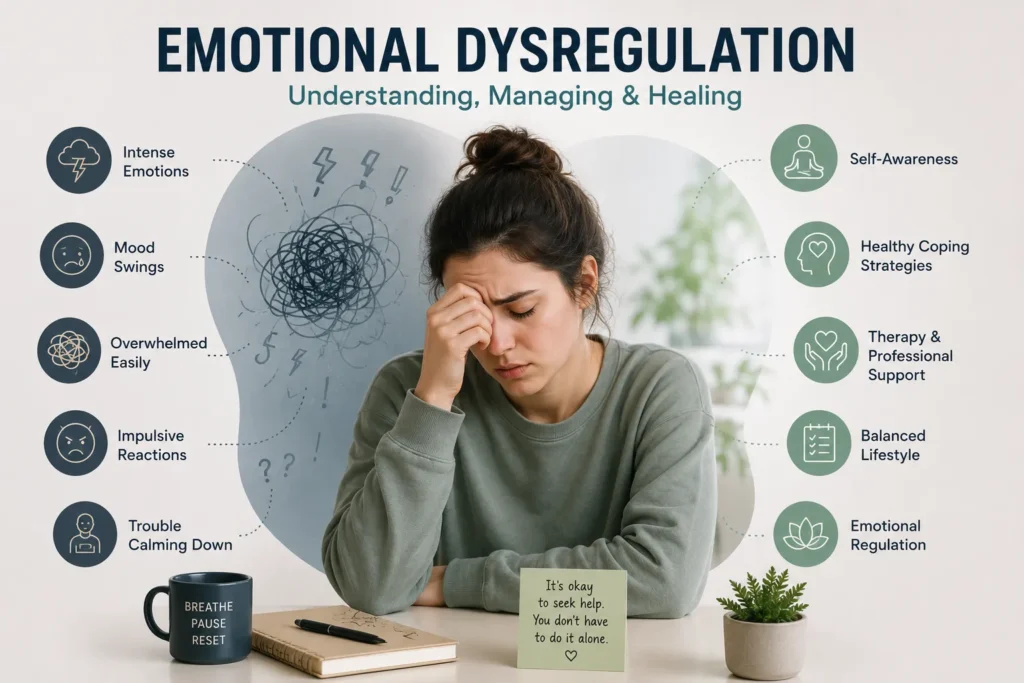
The following are some of the common signs and symptoms of emotional dysregulation:
- Strong emotions of anger or frustration
- Frequent mood changes
- Being flooded with feelings
- Difficulty calming down
- Only a few children show some negative responses to minor events
- Impulsive emotional responses
- Unabated sadness or irritability
- Trouble getting over stressful incidents
Symptoms may be quite different in different individuals.
What Causes Emotional Dysregulation?
There may be multiple factors contributing to emotional dysregulation causes. May be caused by stress, trauma, sleep issues, environmental factors or mental health issues.
It may be linked to other disorders like ADHD, anxiety disorders, depression or borderline personality disorder. But if someone has emotional regulation issues, it doesn’t mean they are necessarily diagnosed with any specific condition.
How Does Difficulty Controlling Emotions Affect Daily Life?
Having trouble regulating emotions may impact communication, relationships, work, school and decision-making.
An argument may result in strong emotion that leads to conflict even after the argument is over: For instance, if a man gets angry about his wife’s going out with male friends, he might grow angry in a fight and create conflict even after he has addressed the original matter. Strong emotions can also make it hard to focus and/or carry out daily activities.
What are the Signs of Uncontrollable Emotions?
Uncontrollable emotions may feel like they take over before a person has time to think about how to respond.
Possible signs include:
- Emotional reactions that feel much stronger than expected
- Difficulty calming down after becoming upset
- Saying or doing things impulsively
- Feeling regret after an emotional reaction
- Struggling to identify what triggered the response
Recognizing patterns and triggers can help a person understand their emotional responses.
How is Emotional Dysregulation Diagnosed?
There is no specific test to confirm emotional dysregulation. A mental health practitioner might talk with you about your symptoms, emotional patterns, history, relationships and functioning in your life.
The aim is to gain insight into the problem and if another condition is suspected, then this is investigated.
What Does Emotional Dysregulation Treatment Involve?
Emotional dysregulation treatment depends on the underlying causes and individual needs. Therapy services can help individuals develop healthier ways of identifying, expressing, and managing emotions.
Treatment may include:
- Cognitive behavioral therapy
- Dialectical behavior therapy
- Stress-management techniques
- Skills for emotional awareness
- Treatment for an underlying mental health condition
- Medication when clinically appropriate
A qualified mental health professional can help determine the most suitable approach.
Which Strategies Can Help Improve Emotional Regulation?
Several practical strategies may support better emotional regulation:
Identify Emotional Triggers
Notice situations, thoughts, or interactions that commonly lead to intense reactions.
Pause Before Reacting
If you pause, take a breath, and remove yourself from an upsetting situation, there will be room between the feelings and the reaction(s).
Maintain Healthy Routines
Good sleep, exercise, a healthy diet and a healthy balance of stress and relaxation can contribute to emotional health.
Practice Emotional Awareness
Knowing which emotions are which and naming them can help to understand and regulate them.
When should you Seek Help for Emotional Regulation Difficulties?
If your emotions keep getting in the way of your relationships, work, school, or daily life — it’s time to talk to a mental health professional. And if you’re dealing with thoughts of self-harm, hopelessness, severe distress, or feel like you just can’t function — don’t wait. Get help now..
Conclusion
Emotions may feel stronger or more challenging to deal with when experiencing emotional dysregulation. Various factors can be involved, such as stress, life experiences, and different mental disorders; causes vary from person to person.
Emotional Regulation skills many people can learn, with the right support, therapy, healthy coping skills and treatment if necessary.
Frequently Asked Questions
What is emotional dysregulation?
It’s when you just can’t get a grip on your feelings — the intensity, how long they stick around, or how they come out. You might lose it over something small, flip moods outta nowhere, or take forever to calm down once you’re worked up.
What are the most common emotional dysregulation symptoms?
Getting pissed off fast, snapping at people, mood swings that hit like a truck, feeling overwhelmed by little stuff, acting without thinking, not being able to settle down, and blowing things way out of proportion.
What causes emotional dysregulation?
Stress, past trauma, lack of sleep, life pressures, and mental health stuff can all stir the pot.
Is emotional dysregulation a mental health condition?
Not on its own. It can tag along with other mental health conditions, or just be how your brain reacts to stress and tough situations.
What does emotional dysregulation treatment involve?
Therapy, learning how to handle your emotions, managing stress, and dealing with any other issues underneath. Sometimes meds are part of the game plan.
How can I manage difficulty controlling emotions?
Start by figuring out what sets you off. Pause before you pop off. Tune into what you’re actually feeling. Build good habits and coping skills — therapy can help you with all that.
What can trigger uncontrollable emotions?
Fights, criticism, stress, relationship drama, reminders of bad stuff from the past, being wiped out, big life changes, or anything that makes you feel rejected or scared.
Can emotional dysregulation affect relationships?
Strong reactions can mess up communication and cause conflict. Learning to manage your emotions helps you talk better and connect deeper.
When should I seek professional help?
When your emotions are all over the place, won’t let up, and start messing with your job, relationships, school, or everyday life — especially if you feel stuck and like you can’t handle it alone.
Can emotional regulation difficulties improve over time?
Yeah, they can. A lot of people get better with therapy, good coping skills, solid relationships, healthy routines, and taking care of any underlying issues.
